19 Early Signs and Symptoms of Pregnancy



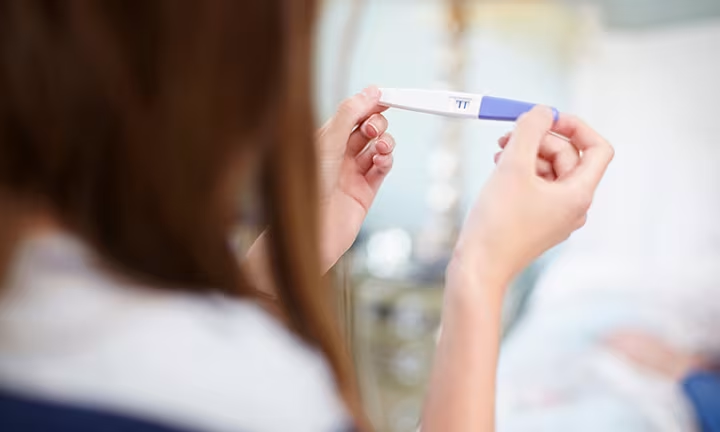
Determining whether you're pregnant can be both exciting and nerve-wracking. While a missed period is the most well-known indicator, early signs of pregnancy can appear even before that. These symptoms may vary from person to person—some may notice several, while others experience very few.
Common Early Symptoms
Other Possible Signs Some expectant parents also experience mood swings, bloating, cramping, food cravings or aversions, headaches, dizziness, or a metallic taste in the mouth. Additionally, light spotting, known as implantation bleeding, may occur as the fertilized egg attaches to the uterus.
When to Take a Test Since many of these symptoms overlap with premenstrual signs or other medical conditions, a home pregnancy test is the best way to confirm pregnancy. If you're experiencing early signs of pregnancy and suspect you might be expecting, taking a test a few days after a missed period will provide the most accurate results.
Now, let's explore these early symptoms in more detail to help you better understand what to expect and when to seek medical advice.
First Signs of Pregnancy
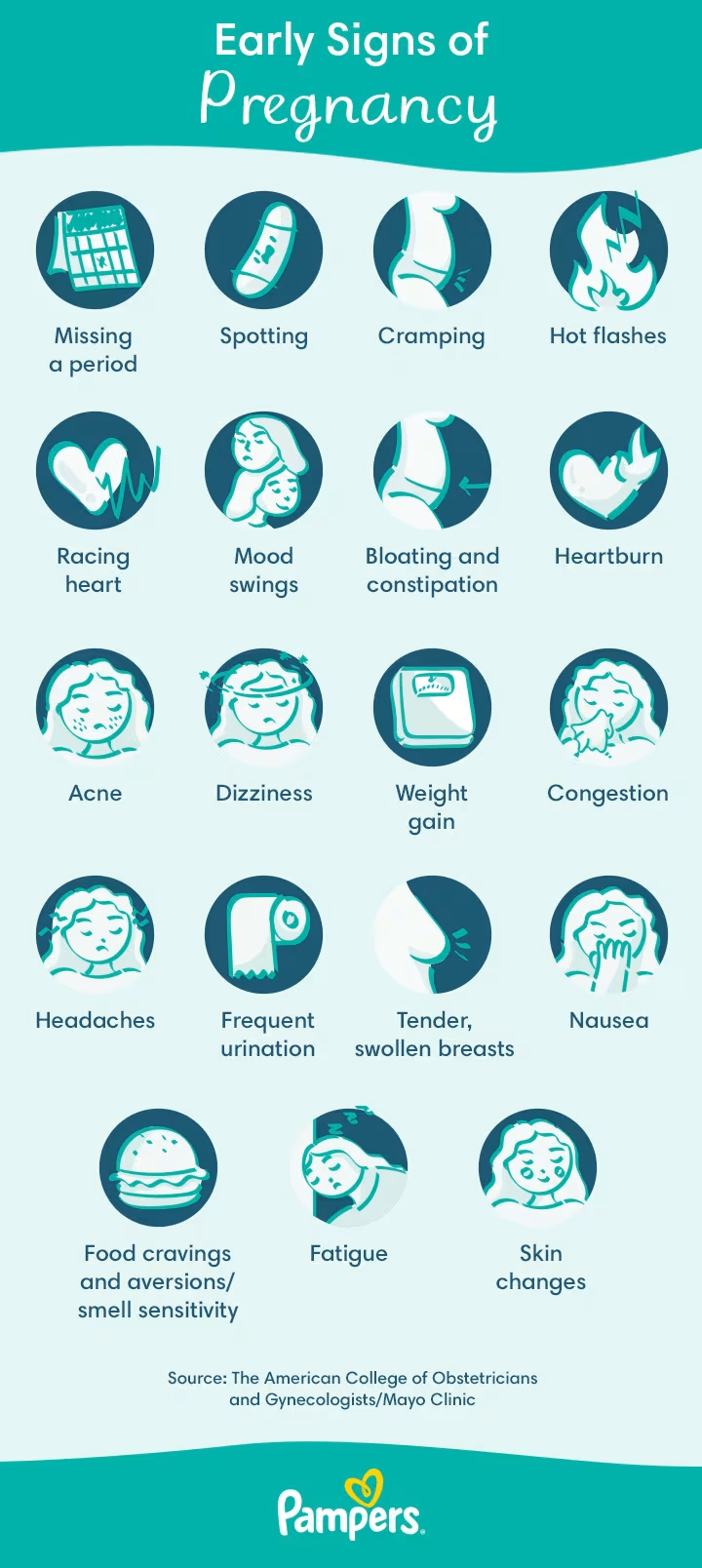
Did you miss your period, and are starting to ask yourself “Am I pregnant”? Or, maybe there's a gut feeling that you can’t shake. It's normal and understandable to wonder what are the early signs of pregnancy as you mentally cross off the different feelings you’ve been experiencing in the past few days. You may start experiencing specific signs and symptoms of pregnancy early on even before you know for sure that you’re pregnant. Of course, either a home pregnancy test or a test through your healthcare provider will be the best way to determine if you’re pregnant. In the meantime, take this “Am I Pregnant?” quiz and read up on some of the early pregnancy signs and symptoms you may start feeling about one to two weeks after a missed period and within the first month of being pregnant:
Do All Women Experience Early Signs and Symptoms of Pregnancy?
Each mom-to-be and each pregnancy is unique, so you may only notice some of these early signs of pregnancy. For example, the first signs and symptoms of pregnancy could occur before a missed period; alternatively, missing a period may be your first clue that you’re pregnant. What’s more, the symptoms you notice in a second pregnancy may be different from what you experienced the first time around.

When Do Pregnancy Symptoms Start?
You may be wondering when pregnancy symptoms start. Once again, it’s different for every woman. Some may experience early signs of pregnancy in the first few weeks after conception. Others may be pregnant and not experience any symptoms at all for a while.
How Do You Know You’re Pregnant?
You may be asking yourself “How do I know if I’m pregnant?” If you think you may be pregnant, a home pregnancy test will confirm it. There’s no way to know that you are pregnant without taking a test. If you’re experiencing any of the symptoms of pregnancy and take a home pregnancy test but the test comes out negative, there’s still a chance you may be pregnant. Wait until your period is a week late (or more), and then take the test again. If the test comes out positive, make an appointment with your healthcare provider to confirm the pregnancy. Once your pregnancy is confirmed, check out our go-to pregnancy guide, which includes lots of pertinent information and tools you'll need to navigate your pregnancy, including infographics, checklists, trackers, and more! If you like, use our due date calculator to find out how far along you are in your pregnancy:
Other Signs and Symptoms You May Experience During Pregnancy
Throughout your pregnancy, your body will do some unique and wonderful things. Some of these physical changes (like morning sickness) may subside, while others (like nasal congestion and heartburn) may continue over the course of your pregnancy.
These are some of the changes you may experience during the second and third trimesters of your pregnancy:
Watch the following video to find out how your partner can be more involved during your pregnancy:

When to Consult Your Healthcare Provider
Most of the time, the aforementioned physical discomforts and changes are completely normal, but there are some signs you should not ignore, including severe headaches, changes in eyesight, or sudden swelling (edema). If you notice anything that just doesn’t seem right, consult your healthcare provider.
FAQS AT A GLANCE
An increase in pregnancy hormones can cause your digestive system to slow down, leading to constipation. The iron in prenatal vitamins can also add to constipation. It’s best to drink lots of liquids and increase your fiber intake by eating lots of fruits and vegetables. Eating frequent, smaller meals can also help with digestion.
The Bottom Line
Early signs of pregnancy can be as subtle as a food craving or an aversion, or more noticeable like spotting or tender breasts. As your pregnancy progresses some of these signs and symptoms will likely return, such as heartburn, cramping, and frequent urination. If you’re unsure whether you’re pregnant but have been experiencing some of the early signs of pregnancy, take a home pregnancy test or visit your healthcare provider. The signs and symptoms of pregnancy can be tiresome, especially if you’re experiencing several simultaneously, but sooner than you know it, you'll be giving birth and taking your baby home. This is just the beginning of an amazing journey! See our Pregnancy Calendar for a more detailed description of everything that happens during each week, month, and trimester.
- Book: Your Pregnancy and Childbirth: Month to Month, Sixth Edition Paperback – January 1, 2016 by American College of Obstetricians and Gynecologists (Author)
- Book: Guide to a Healthy Pregnancy, Second Edition Paperback – 2018 by Mayo Clinic, Myra J. Wick, M.D., Ph.D. (Author)
- Mayo Clinic: 3rd trimester pregnancy: What to expect
- Mayo Clinic: Stretch marks
- Mayo Clinic: Itchy skin
- Mayo Clinic: Itchy skin – Diagnosis and treatment
- Mayo Clinic: Round ligament pain
- Mayo Clinic: 2nd trimester pregnancy: What to expect
- Mayo Clinic: Home pregnancy tests: Can you trust the results?
- Mayo Clinic: Symptoms of pregnancy
- Mayo Clinic: Headaches
- Mayo Clinic: Headaches during pregnancy
- Mayo Clinic: Hypoglycemia
- Mayo Clinic: Heart palpitations
- Mayo Clinic: Bleeding during pregnancy
- Mayo Clinic: Morning sickness

Spotting During Early Pregnancy
Spotting during early pregnancy is often considered normal. Find out what might be causing the spotting and when to contact your healthcare provider.
Read more
Hyperemesis Gravidarum—Severe Nausea During Pregnancy
Discover the signs, symptoms, and treatments for hyperemesis gravidarum, a severe form of morning sickness during pregnancy, and learn when to seek help.
Read more
How Many Weeks Pregnant Am I?
Wondering how far along you are? We'll guide you through how to calculate how many weeks pregnant you are and help you determine your due date.
Read more
What Is Cryptic Pregnancy and What Are the Signs?
Learn all about cryptic pregnancy, or “hidden pregnancy,” a rare phenomenon where minimal or no visible signs lead to someone not knowing they’re pregnant.
Read more
What Is Implantation Bleeding and When Does It Occur?
Implantation bleeding is a common early pregnancy sign, with light spotting typically occurring 10-14 days after conception. Learn signs, timing, and more.
Read moreSpotting During Early Pregnancy
Spotting during early pregnancy is often considered normal. Find out what might be causing the spotting and when to contact your healthcare provider.
Read moreHyperemesis Gravidarum—Severe Nausea During Pregnancy
Discover the signs, symptoms, and treatments for hyperemesis gravidarum, a severe form of morning sickness during pregnancy, and learn when to seek help.
Read moreHow Many Weeks Pregnant Am I?
Wondering how far along you are? We'll guide you through how to calculate how many weeks pregnant you are and help you determine your due date.
Read moreWhat Is Cryptic Pregnancy and What Are the Signs?
Learn all about cryptic pregnancy, or “hidden pregnancy,” a rare phenomenon where minimal or no visible signs lead to someone not knowing they’re pregnant.
Read moreWhat Is Implantation Bleeding and When Does It Occur?
Implantation bleeding is a common early pregnancy sign, with light spotting typically occurring 10-14 days after conception. Learn signs, timing, and more.
Read moreSpotting During Early Pregnancy
Spotting during early pregnancy is often considered normal. Find out what might be causing the spotting and when to contact your healthcare provider.
Read moreHyperemesis Gravidarum—Severe Nausea During Pregnancy
Discover the signs, symptoms, and treatments for hyperemesis gravidarum, a severe form of morning sickness during pregnancy, and learn when to seek help.
Read moreHow Many Weeks Pregnant Am I?
Wondering how far along you are? We'll guide you through how to calculate how many weeks pregnant you are and help you determine your due date.
Read moreJoin a World of Support
through Pregnancy and Parenthood.
TRACK WITH TOOLS
LEARN WITH EXPERTS
GET REWARDED




Where You Already Belong